The Science Behind Paint Protection – How Coatings Actually Work
Paint protection is more than shine—it’s chemistry, physics, and molecular engineering. Understanding how coatings work helps car owners make better decisions.
making science a core part of the service.
1) What is automotive paint made of?
- Primer
- Base coat
- Clear coat (the most important layer)
The clear coat absorbs UV, heat, salt, pollutants, and all physical impacts during washing.
2) Problems without protection
- Oxidation
- Water spotting
- UV fading
- Swirl marks
- Chemical etching
Phuket’s climate accelerates all of these.
3) Ceramic coating – molecular protection
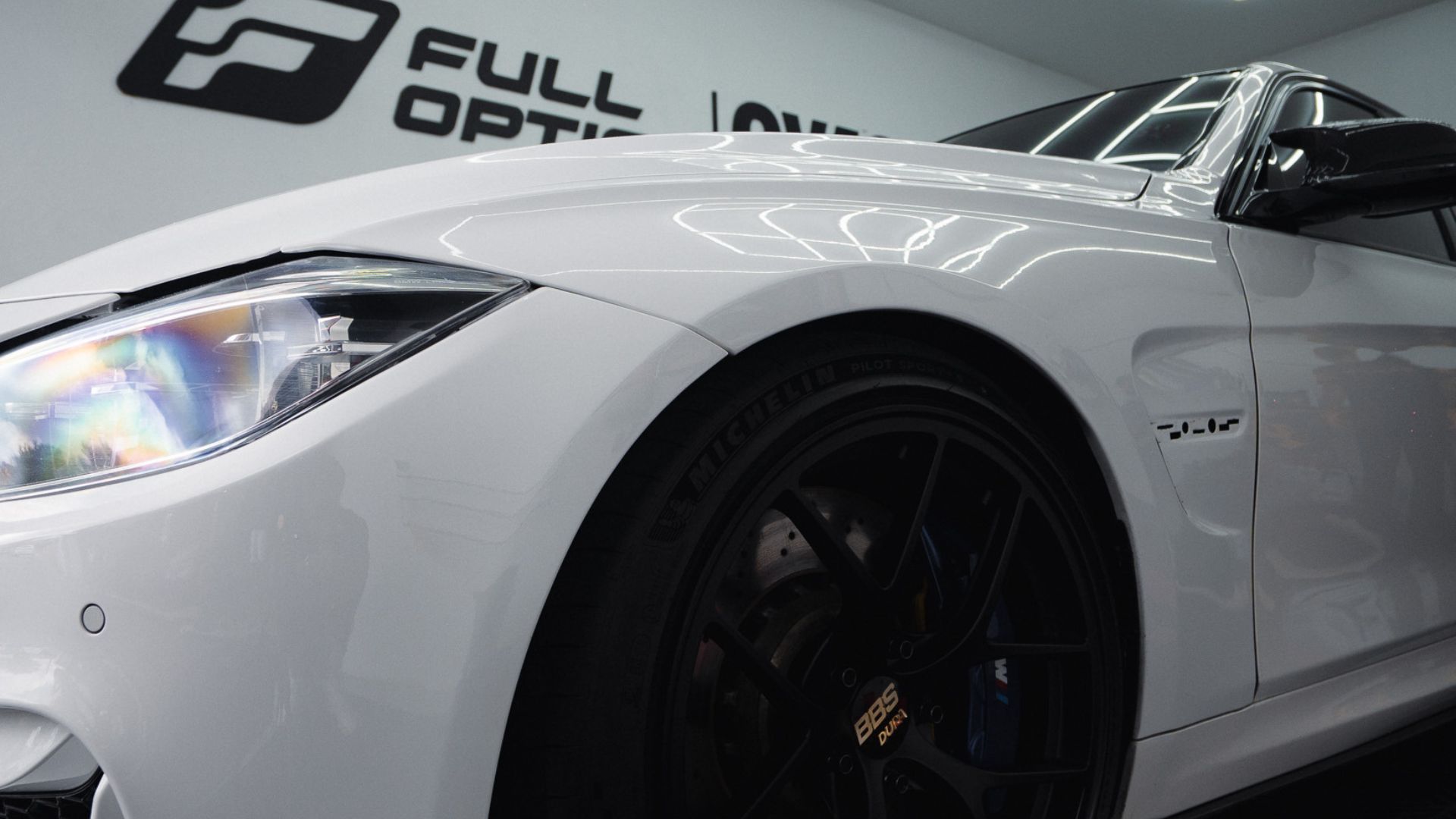
Ceramic coatings form nano-level SiO2/TiO2 structures that bond with the clear coat.
Creates:
- Hydrophobic surfaces
- UV resistance
- High hardness
- Deep gloss
4) Glass coating
Glass coatings enhance clarity and gloss but offer shorter lifespan than ceramic. Great for aesthetic-focused users.
5) Why High Quality products matter
Low-quality coatings fail quickly.
Premium products ensure durability and safety.
6) The Specialist factor
Application errors lead to streaks, high spots, or weak bonding. Specialists ensure proper prep and controlled curing.
Conclusion
Paint protection is a fusion of chemistry and craftsmanship.
This is why High Quality products + Specialist application deliver the best long-term results.